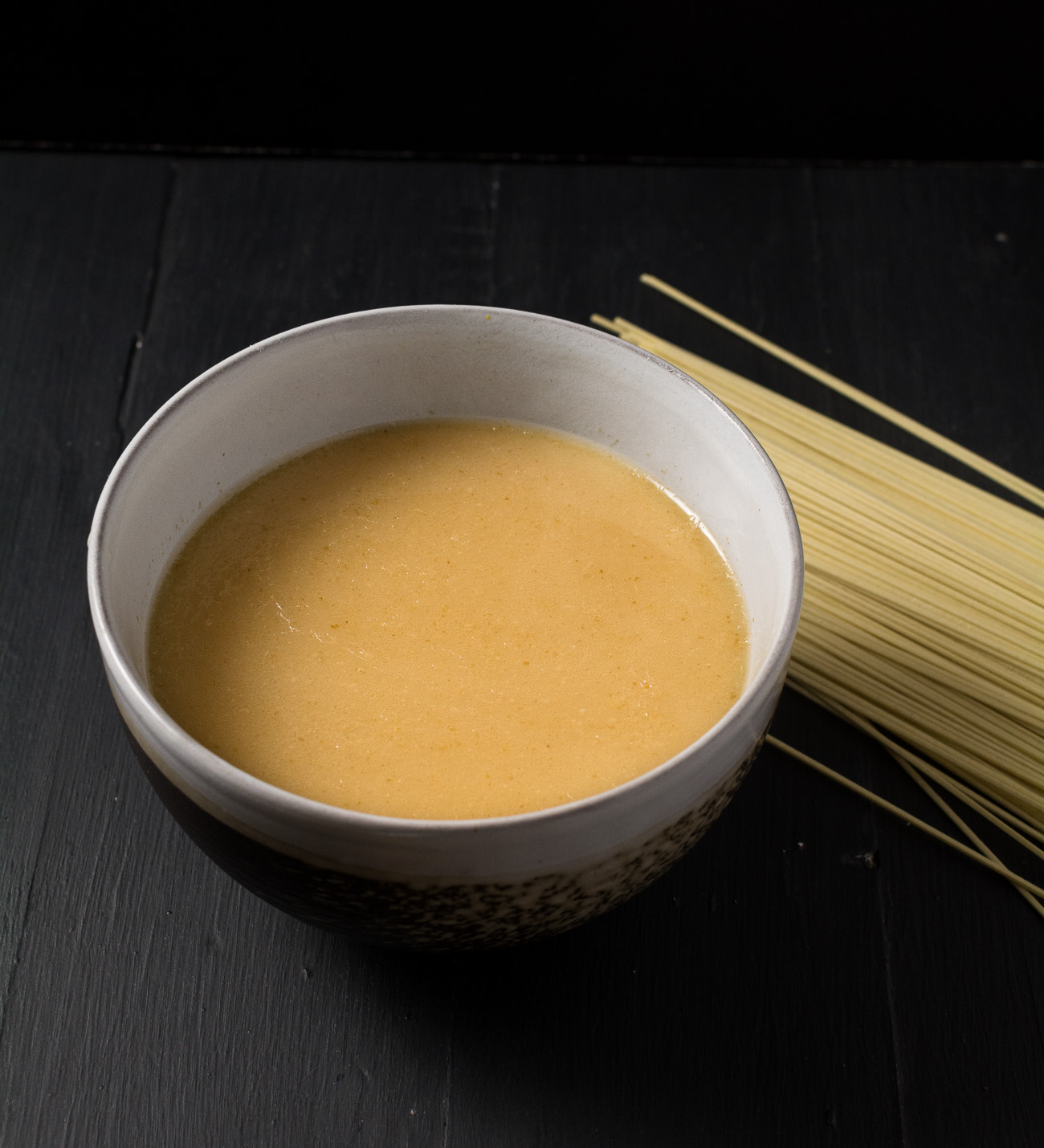
The quest for the perfect bowl of ramen often begins and ends with its soul: the broth. For enthusiasts of rich, creamy, and deeply savory Japanese noodles, no broth holds a candle to authentic Tonkotsu. This isn't just any stock; it's a culinary masterpiece, a labor of love that transforms simple ingredients into an ethereal elixir. If you've ever dreamt of recreating that restaurant-quality experience at home, you've come to the right place. We’re about to unlock the secrets to a truly exceptional tonkotsu broth recipe, focusing on the dynamic duo of pork and chicken that lends it unparalleled depth and a signature creamy texture.
My own journey into the world of homemade ramen began much like yours might have – captivated by the magic of a steaming bowl, but balking at the weekly expense. After more than a few 'dishwater with ambition' attempts, and countless hours of simmering, tasting, and tweaking, I cracked the code. The result is a rich, creamy tonkotsu broth that will fill your kitchen with aromas reminiscent of a bustling Tokyo ramen-ya and make you close your eyes in pure bliss with every spoonful. This isn't just about following a recipe; it's about mastering techniques that will elevate your culinary skills and bring authentic Japanese flavors right into your home.
What Makes Authentic Tonkotsu Broth So Special?
To truly appreciate tonkotsu, it's essential to understand its essence. The name "Tonkotsu" literally translates to "pork bones," and this alone tells you much about its foundation. Unlike other ramen styles that take their names from the seasoning (tare) added to the broth, tonkotsu ramen is defined by its incredibly distinct pork bone broth itself. What sets it apart is not merely the presence of pork bones, but the meticulous way they are prepared and cooked.
A genuine tonkotsu broth is characterized by its milky-white, opaque appearance and incredibly rich, almost viscous mouthfeel. This creaminess isn't from added dairy; it's the result of hours of vigorous simmering, which breaks down the collagen in the pork bones and emulsifies the fat. This process extracts every ounce of flavor, marrow, and gelatin, creating a deeply savory, umami-laden liquid that forms the perfect backbone for any ramen bowl. It’s a profound flavor experience that transforms instant noodles into a gourmet meal and elevates homemade ramen to restaurant standards.
The Unsung Heroes: Pork and Chicken in Harmony
While "tonkotsu" means pork bones, the secret to an even more complex and balanced flavor profile lies in a thoughtful combination of proteins. Many of the most acclaimed ramen shops, and my own extensive testing, have revealed that integrating chicken carcasses with pork bones creates layers of flavor that a single protein source simply cannot achieve. This synergistic approach is a game-changer for any aspiring ramen master.
Here’s how each protein contributes to this spectacular homemade tonkotsu broth:
- Pork Bones: The Creaminess and Depth
Pork bones are the star, providing that iconic creamy texture and unctuous richness. Look for bones with plenty of visible marrow, such as trotters, neck bones, and spinal bones. The marrow and gelatin are key to achieving the broth’s signature milky appearance and deep, satisfying flavor. These bones impart a powerful umami punch and a full-bodied mouthfeel that is instantly recognizable as authentic tonkotsu. - Chicken Carcasses: The Body and Nuance
Adding chicken carcasses (or backs and necks) introduces a wonderful lightness and an additional layer of complexity. Chicken bones are rich in collagen, which contributes to the broth’s body without making it overwhelmingly heavy. They also add subtle savory notes that round out the strong pork flavor, creating a more sophisticated and multi-dimensional broth that sings on the palate. Fresh chicken carcasses from your local butcher are always superior to pre-packaged options, as they typically offer more bone and less lean meat, which is ideal for broth.
Together, these two proteins create a broth that is both profoundly rich and beautifully balanced, a true testament to the power of thoughtful ingredient combination in a great tonkotsu broth recipe.
Mastering the Art of the Simmer: A 13-Hour Journey to Perfection
Making an authentic tonkotsu broth is a commitment, a journey of approximately 13 hours. But don't let the time scare you; much of it is passive simmering, allowing the magic to unfold slowly. This extended cooking time is what transforms simple bones and water into that deeply flavorful, restaurant-quality elixir. Embrace the process, and you’ll be rewarded with an unparalleled culinary experience. For a deeper dive into this epic culinary adventure, be sure to check out Unlock Restaurant-Quality Tonkotsu: A 13-Hour Broth Journey.
Here’s a breakdown of the crucial steps:
1. Preparation is Paramount: Clean Bones, Clear Broth
This initial stage is non-negotiable for a truly clean-tasting broth. Don't skip it!
- Rinsing: Start by thoroughly rinsing all your pork and chicken bones under cold running water. Scrub them clean to remove any visible impurities, blood, and small bone fragments. This step is vital to prevent a funky taste and cloudy broth later on.
- Blanching: Place the rinsed bones in a large stockpot, cover with cold water, and bring to a rolling boil. Boil vigorously for 10-15 minutes. You'll see a lot of scum and impurities rise to the surface. Drain the bones immediately, discard the blanched water, and rinse the bones once more, scrubbing away any clinging scum. This meticulous cleaning ensures your final broth is pristine and delicious.
2. The Vigorous Simmer: Unleashing Flavor and Creaminess
Once your bones are squeaky clean, it’s time for the long haul:
- Initial Boil: Return the blanched bones to the clean pot. Add enough cold water to cover them by several inches. Bring the pot to a very strong, rolling boil over high heat. This aggressive boiling is crucial for emulsifying the fats and extracting the collagen, which gives tonkotsu its signature milky, opaque appearance and creamy texture. Unlike other stocks that benefit from a gentle simmer, tonkotsu demands intensity.
- Sustained Simmer: Once boiling, reduce the heat just enough to maintain a vigorous, rolling boil – not a gentle simmer, but a constant, bubbling churn. This constant agitation helps break down the bones and emulsify the fats.
- Skimming: For the first few hours, you'll need to regularly skim off any scum or foam that rises to the surface. This contributes to a cleaner flavor profile.
- Replenish Water: As the water evaporates, continually top up the pot with hot water to maintain the liquid level and prevent the bones from drying out or the temperature from dropping too drastically. This ensures maximum extraction throughout the long cooking process.
- The Duration: Continue this vigorous simmer for at least 10-12 hours, or even up to 18 hours. The longer it simmers, the richer and creamier your broth will become. You'll notice the liquid transforming from clear to a milky white.
Beyond Bones: The Aromatics and Umami Boosters
While the bones do the heavy lifting in creating the body and base flavor, aromatics are essential for adding layers of complexity and brightness to your tonkotsu broth recipe. These are typically added towards the latter part of the simmering process (after about 4-6 hours), allowing their flavors to infuse without becoming bitter or overpowering.
- Garlic: Whole cloves, lightly smashed, release their pungent, warming aroma, adding a fundamental depth.
- Ginger: Large slices of fresh ginger, with or without the skin (depending on preference), provide a spicy, earthy counterpoint that cuts through the richness of the pork. Tired ginger simply won’t deliver the punch you need.
- Onion: A roughly chopped onion or leek adds a foundational sweetness and savory base that complements the other aromatics.
For an extra boost of umami, you can also consider adding a few dried shiitake mushrooms during the last few hours of simmering. Their earthy, savory notes beautifully deepen the overall flavor profile. Remember, a good broth is about synergy – each ingredient playing its part to create a harmonious whole.
Final Steps and Practical Tips for Success
Once your broth has simmered to perfection, its color a milky white and its aroma intoxicating, it's time to strain. Carefully remove all bones and aromatics. Strain the broth through a fine-mesh sieve, and for an even smoother consistency, pass it through a cheesecloth-lined sieve. At this stage, you'll have a concentrated, unseasoned broth, ready to be transformed into your favorite ramen. Always remember that the broth itself is typically unsalted and unseasoned until it's combined with a "tare" (ramen seasoning concentrate) just before serving.
Here are a few more actionable tips to ensure your tonkotsu triumph:
- Quality Over Quantity: Invest in the freshest, best-quality pork and chicken bones you can find. This makes a noticeable difference.
- Patience is a Virtue: Don't rush the simmering process. The long hours are non-negotiable for true tonkotsu.
- Batch Cooking: Make a large batch! This broth freezes beautifully. Divide it into individual portions and freeze for quick, homemade ramen bowls whenever the craving strikes.
- Listen to Your Nose: The smell of rich, roasted bones, ginger, and garlic filling your kitchen is your first sign of success.
- Don't Be Afraid to Experiment: Once you've mastered the basic broth, feel free to subtly adjust aromatics to your taste in future batches.
From an $18-a-bowl habit to mastering the craft in your own kitchen, the journey to making an authentic tonkotsu broth recipe is incredibly rewarding. By combining the rich unctuousness of pork bones with the nuanced body of chicken carcasses, and committing to a meticulous, long simmer, you’ll achieve a soul-warming, creamy, and deeply flavorful broth that rivals any ramen-ya. Embrace the process, savor the aromas, and prepare to elevate your homemade ramen to an unforgettable culinary experience.
